
Popular Science Encyclopedia Image
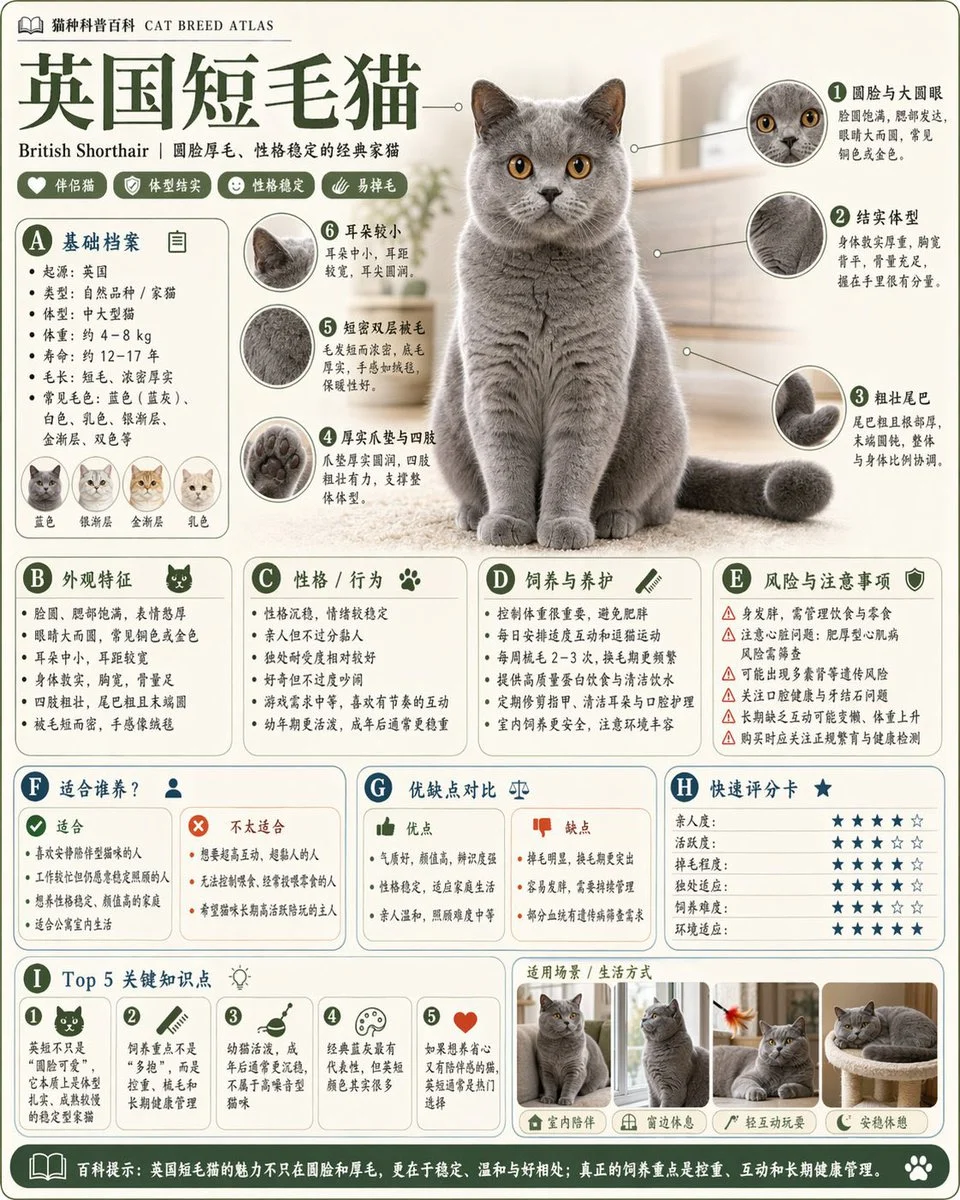
Please generate a high-quality vertical "Popular Science Encyclopedia Image" based on {argument name="theme" default="animals"}. This image is not a regular poster or a simple illustration, but a modular popular science
AI-generated demonstration · #076 · Infographics & Cards · 16/9
Prompt
Please generate a high-quality vertical "Popular Science Encyclopedia Image" based on {argument name="theme" default="animals"}.

This image is not a regular poster or a simple illustration, but a modular popular science infographic that possesses a sense of "illustration book, encyclopedia, information structure, and collectability." The overall style should reference a combination of high-end natural history illustrations, modern encyclopedia pages, lifestyle knowledge cards, and highly shareable social media infographics.

Please include in the frame:
- A clear and beautiful main visual of the subject
- Several magnified details of local characteristics
- Multiple rounded modular information sections
- Clear title hierarchies and key labels
- Concise yet rich encyclopedic content
- Visual ratings, key point summaries, or Top 5 modules

Content columns should be automatically adapted based on the theme, prioritized from these directions: basic profile, classification information, appearance characteristics, habits/ecology, formation mechanism/structure, growth or use conditions, care or maintenance suggestions, risks and precautions, suitable audience or scenarios, pros and cons comparison, and quick rating cards.

Visual requirements:
Light-colored clean background, soft color palette, light shadows, exquisite small icons, rounded information boxes, neat layout, high information density but not crowded, good reading experience. The overall result must look like a real science encyclopedia card suitable for publishing, reading, collecting, and serialized production, rather than an advertisement.

Please do not make it a regular commercial promotional poster. Highlight the features of "knowledge organization + modular information + illustration-style display."
Style Breakdown
Organize the subject into a small number of labeled sections. Specify reading order, consistent icon treatment, and enough empty space between related facts.
Recommended Parameters / Aspect Ratio
Start with the template aspect ratio 16/9 to preserve the demonstrated framing. Use a standard preview resolution first, then increase output size after the composition works. Model-specific steps and guidance values are not supplied for this example; use your selected provider's defaults and adjust one setting at a time. Results vary between models.
Review Your Result
Treat every generated number, label, and diagram as a draft. Verify facts independently and rebuild important text as editable typography before publishing.
Use Case Scenarios
Use this method for learning cards, internal explainers, or an initial information architecture. Avoid using a generated chart as medical, engineering, or scientific evidence.
Templates demonstrate visual techniques. They are not evidence of real events or endorsements. Use fictional subjects and authorized materials. Report concerns to [email protected].